
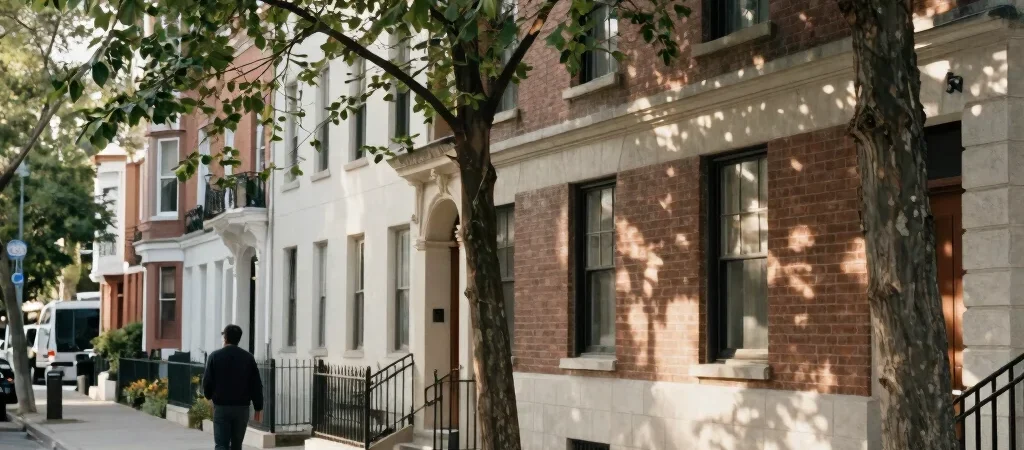
On a hot afternoon, people naturally slow down beneath a tree and gather where the pavement is cooler. That pause is easy to overlook when street trees are treated as decoration, one more item in a plan for a road. A well-placed tree changes how a block is used, not just how it looks.
Shade is part of the route
A canopy over a sidewalk can make walking more comfortable and give someone a reason to take the longer, shadier side of the street. Placement matters: the useful shade is where people actually walk, wait, or sit, not only where an empty planting space happens to be. Young trees take time to provide it, so keeping existing mature trees healthy has particular value.
The right tree for the space
A street tree has to share its space with pavement, underground utilities, overhead wires, and the buildings around it. The species that suits a wide park lawn may not suit a narrow sidewalk pit, and local climate affects which trees can thrive. Planting decisions are best made with guidance from the municipality or local arborists, rather than by choosing a tree for its appearance alone.
Care makes the canopy
Newly planted trees need attention as they establish, including appropriate watering and protection from damage. Neighbors can help by noticing broken stakes, compacted soil, or a tree that appears stressed, then reporting concerns through local channels. The lasting change is made gradually: a little care now can help a future block feel more welcoming.